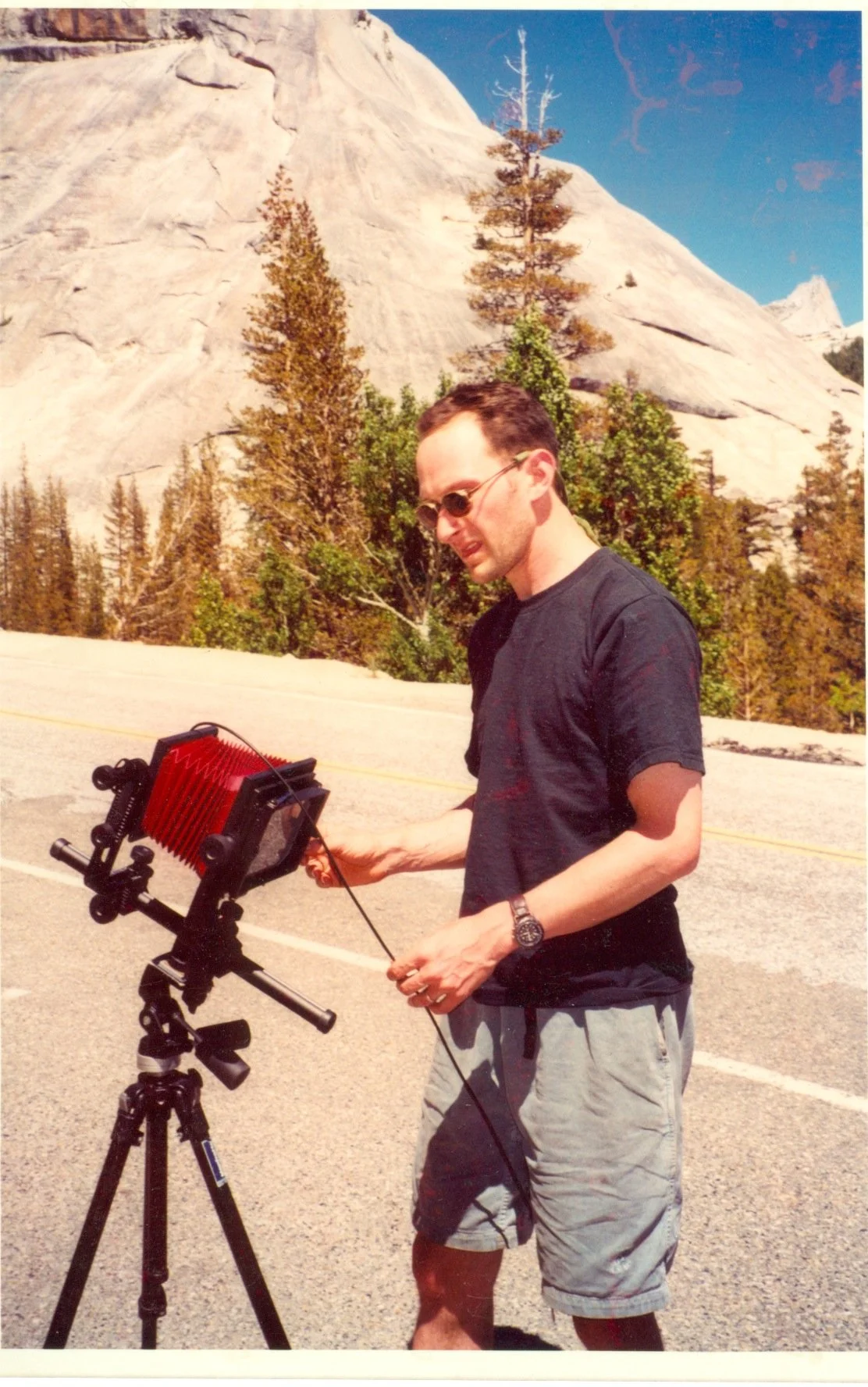
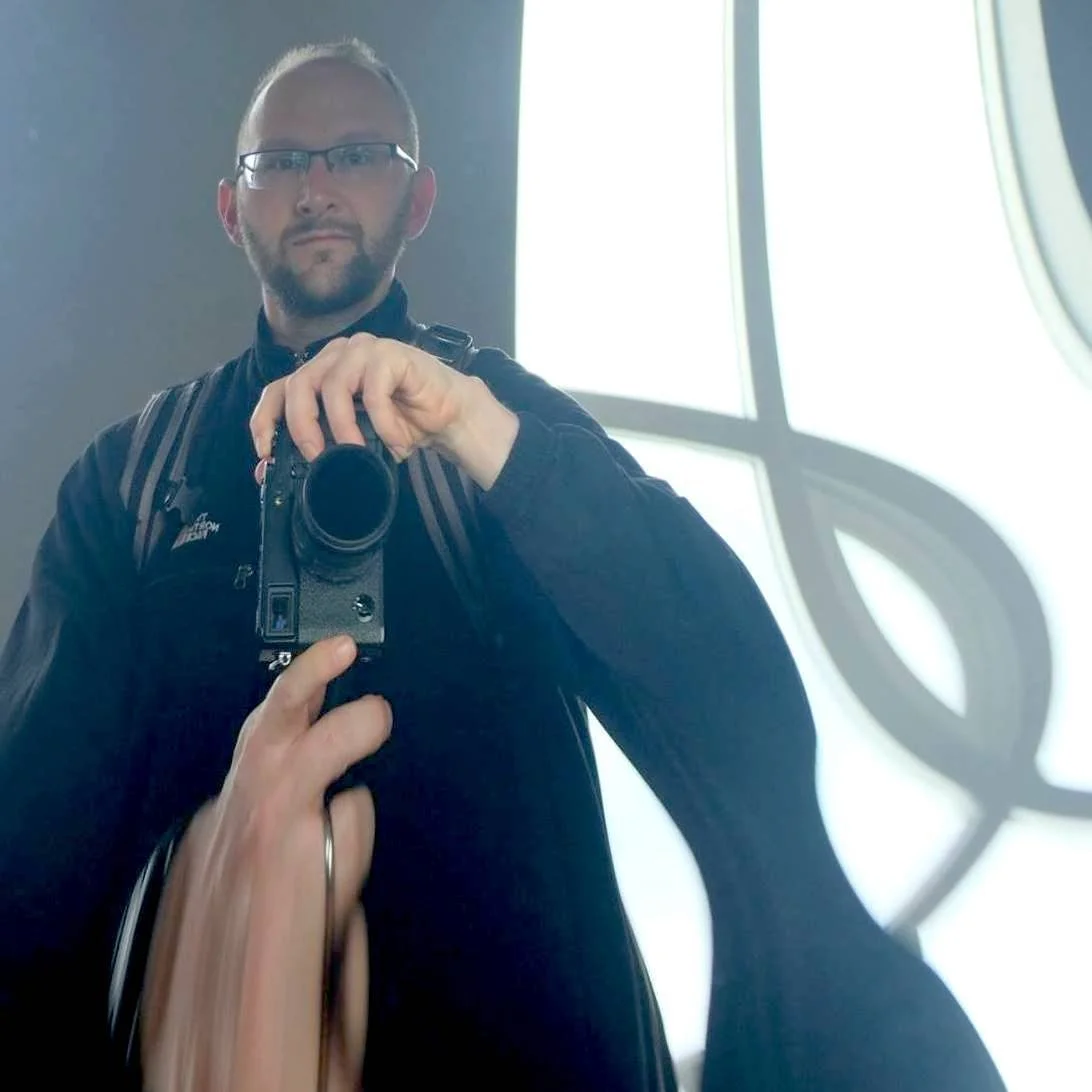
Rob Revere has been making photographs since the late 1980s. He studied photography at the Corcoran School of Art and the Art Institute of Boston. His work has been exhibited in Washington, DC, Boston, and New York, and published in ArLiJo and Beltway Poetry Quarterly. In 2023, he collaborated with poet Kim Roberts on Corona/Crown, a photography and poetry collection published by WordTech Editions.
His artist residencies include the Burren College of Art (2018, 2026) and the Virginia Center for the Creative Arts (2003). He has taught photography at Maryland College of Art and Design.
Revere holds an MA in Cultural Policy and Diplomacy from Goldsmiths, University of London. He served as a Foreign Service officer with USAID and the U.S. Department of State from 2012 to 2026, following earlier service as a Peace Corps Volunteer and staff member. He also served as director of Washington Storytellers Theatre (1995–2003), an organization that later evolved into Story District.
Bio
ArTist Statement
Working primarily with gelatin silver printing and other light-sensitive materials, Revere combines camera-based and cameraless processes. His practice explores the expressive possibilities of traditional photographic materials and the relationship between an image, its subject, and the viewer.
In some of his work, Revere uses the photographic printing process to create a layer of distance between the viewer and the depicted scene, leaving room for conjecture and imagination. His work explores the social isolation brought into sharp relief by the COVID-19 pandemic, as well as the evolving relationship between people and the landscapes they inhabit.
Much of his landscape photography considers the enduring effects of human intervention on the natural environment. Forests shaped by successive cycles of logging, settlements gradually reclaimed by vegetation, and the uneasy boundaries between urban and natural environments all inform his exploration of landscape in the Anthropocene era. These images consider how the landscapes we encounter are shaped not only by nature, but by histories of human presence, use, and abandonment.